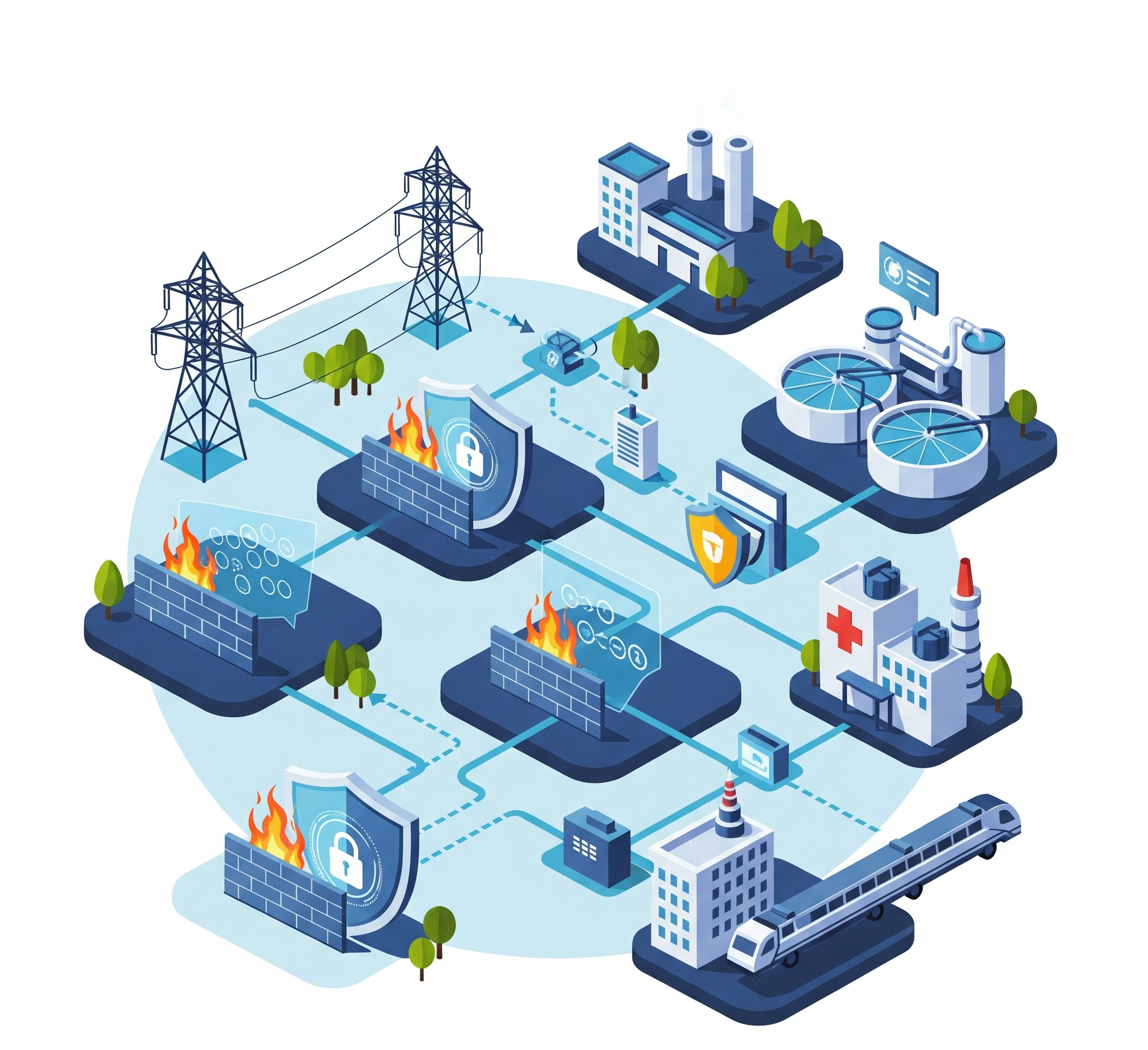
Securing the Backbone of Our Society: Cybersecurity for Critical Infrastructure
In an increasingly digitized and interconnected world, critical infrastructure forms the backbone of modern civilization. These vital systems—power grids, water supplies, healthcare networks, telecommunications, transportation systems, and financial institutions—enable daily life to function smoothly. However, as these systems become more reliant on digital technology, they also become increasingly vulnerable to cyberattacks. Protecting them is no longer a choice—it is an urgent necessity.
Understanding Critical Infrastructure
Critical infrastructure refers to the physical and cyber systems essential to the operation of a society and economy. Any disruption or compromise to these systems can lead to severe consequences, including public safety risks, economic instability, and national security threats.
The most common sectors classified under critical infrastructure include:
-
Energy (power plants, oil and gas pipelines, electrical grids)
-
Water and Wastewater Systems
-
Healthcare (hospitals, emergency services, pharmaceuticals)
-
Transportation (air traffic control, railways, shipping logistics)
-
Financial Services
-
Telecommunications and Internet
-
Food and Agriculture
-
Government Facilities and Emergency Services
With the rise of Industry 4.0, where automation, data exchange, and smart technologies dominate, these sectors have become highly interconnected—and that makes them attractive targets for cybercriminals, hacktivists, and nation-state actors.
Why Are These Systems Under Threat?
Cyberattacks on critical infrastructure are not just theoretical—they are real and happening more frequently. The 2021 Colonial Pipeline ransomware attack in the United States shut down one of the largest fuel pipelines, causing widespread panic and fuel shortages. In Ukraine, multiple cyberattacks on the power grid have left cities in darkness. Even hospitals have become victims of ransomware, threatening patient safety.
Key reasons why these systems are vulnerable include:
-
Legacy Systems: Many critical infrastructure networks still rely on outdated software and hardware that were not built with cybersecurity in mind.
-
Increasing Interconnectivity: The adoption of IoT (Internet of Things), SCADA (Supervisory Control and Data Acquisition), and other smart technologies exposes systems to a broader attack surface.
-
Lack of Cyber Hygiene: Poor password practices, unpatched software, and inadequate employee training create easy entry points for attackers.
-
Sophisticated Threat Actors: Cybercriminals and nation-states are deploying advanced persistent threats (APTs) that can remain undetected for months.
The Imperative of Cybersecurity
Cybersecurity for critical infrastructure isn’t just about preventing data breaches—it’s about protecting lives, economies, and national sovereignty. The stakes are higher than ever.
Here are the key reasons cybersecurity should be a top priority:
-
Protecting Public Safety: A breach in water purification systems or emergency response communications can have life-threatening consequences.
-
Ensuring Economic Stability: Interruptions in energy or financial systems can disrupt markets and erode trust in institutions.
-
Maintaining National Security: Attacks on government systems or defense networks can compromise sensitive information and weaken national resilience.
-
Building Public Trust: Citizens expect the infrastructure they depend on to be reliable and secure. Breaches diminish confidence and increase panic.
Challenges in Securing Critical Infrastructure
While the need for robust cybersecurity is clear, implementing it comes with unique challenges:
-
Operational Technology (OT) vs. Information Technology (IT): Critical infrastructure often involves OT systems that are not easily integrated with traditional IT cybersecurity solutions.
-
Limited Downtime Windows: Essential services cannot afford prolonged downtime, making it difficult to update or replace vulnerable systems.
-
Budget Constraints: Many infrastructure operators, especially in the public sector, struggle with limited resources to invest in cybersecurity tools and personnel.
-
Lack of Skilled Workforce: There is a global shortage of cybersecurity professionals with expertise in both IT and OT environments.
-
Complex Supply Chains: Infrastructure relies on complex, often global supply chains, making them vulnerable to third-party breaches.
Strategies to Strengthen Cybersecurity
Securing critical infrastructure requires a multi-layered, collaborative approach. Here are some effective strategies:
1. Risk Assessment and Mapping
Operators must understand their digital ecosystem, identify vulnerabilities, and prioritize assets based on potential risk. Threat modeling and regular security audits can help anticipate and mitigate dangers.
2. Segmentation and Network Hardening
Separating critical OT networks from external and internal IT networks can limit lateral movement by attackers. Using firewalls, intrusion detection systems, and strict access controls also enhances security.
3. Zero Trust Architecture
A “never trust, always verify” model ensures that users and devices are continuously authenticated and monitored, reducing the risk of insider threats and unauthorized access.
4. Incident Response Planning
Having a well-documented and practiced incident response plan enables organizations to quickly detect, contain, and recover from cyberattacks, minimizing damage and downtime.
5. Collaboration and Information Sharing
Public-private partnerships, threat intelligence sharing (e.g., via ISACs—Information Sharing and Analysis Centers), and joint exercises can improve awareness and coordination.
6. Continuous Training and Awareness
Investing in training programs for all employees—not just IT staff—helps build a cyber-aware culture and reduces the likelihood of human error.
7. Regulatory Compliance and Standards
Adhering to global and national cybersecurity frameworks, such as NIST, ISO 27001, or India’s National Cyber Security Policy, ensures baseline protections are in place.
Empowering the Next Generation: Youth and Industry 4.0
A secure future depends not only on defending current systems but also on preparing the next generation of cybersecurity professionals. At the Swavalamban Avam Swabhimaan Foundation (SAS Foundation), we believe in empowering youth with Industry 4.0 skills, including cybersecurity, AI, IoT, and ethical hacking.
By equipping students and early professionals with hands-on training, mentorship, and real-world experience, we’re fostering a workforce that can address tomorrow’s digital challenges.
We encourage educational institutions, corporate leaders, and civil society to invest in cybersecurity education, awareness campaigns, and internship opportunities. When young minds are given the right tools, they can become powerful defenders of digital infrastructure.
A Collective Responsibility
Securing critical infrastructure is not the responsibility of governments alone. It requires collaboration across sectors, from engineers and software developers to policymakers, educators, and everyday citizens.
Just as we invest in physical infrastructure like roads and bridges, we must also invest in the digital defenses that keep our infrastructure resilient.
Let’s recognize cybersecurity as the public good it truly is—and act accordingly.
Stay Informed, Stay Empowered!
At SAS Foundation, we’re committed to promoting digital literacy, sustainable development, and youth empowerment. If you found this article valuable and want to stay updated with our latest cybersecurity insights and Industry 4.0 initiatives, be sure to:
🔐 Subscribe to our newsletter on LinkedIn:
https://lnkd.in/ddqPr5HQ
Let’s build a future where our infrastructure is not just smart, but also secure. 🌐🔒