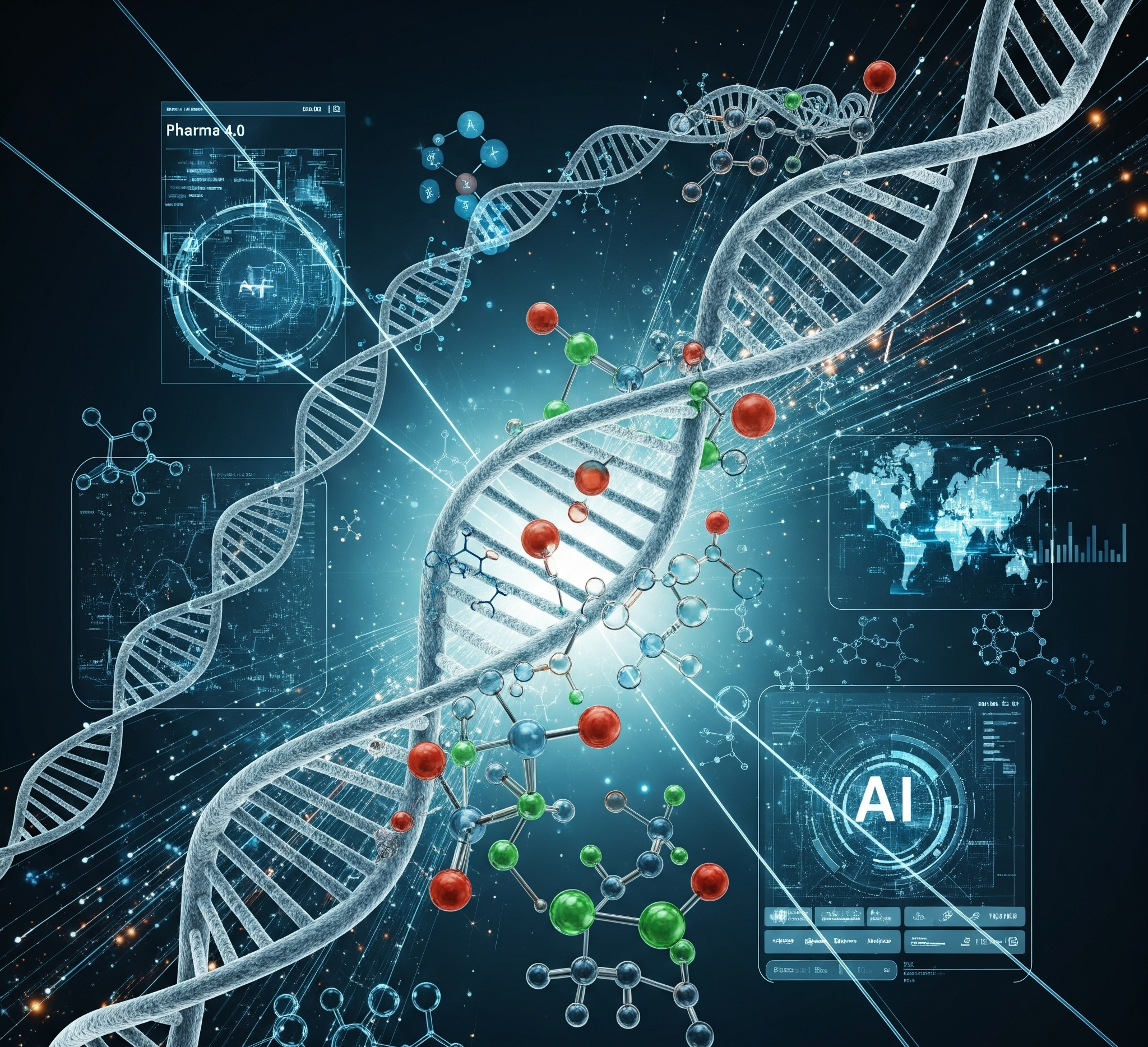
Revolutionizing Drug Selection: The Role of Pharmacogenomics in Pharma 4.0
In the ever-evolving world of healthcare, the convergence of genomics, data analytics, and digital transformation is creating unprecedented opportunities to improve patient outcomes. At the heart of this revolution lies pharmacogenomics—the study of how an individual’s genetic makeup influences their response to drugs. This groundbreaking discipline is unlocking the potential of personalized medicine, ensuring that patients receive the right drug at the right dose at the right time.
This isn’t just the future—it’s happening now. As part of the Pharma 4.0 movement, which integrates advanced technologies such as AI, big data, IoT, and genomics into pharmaceutical and healthcare systems, pharmacogenomics stands as a beacon of precision and innovation.
What is Pharmacogenomics?
Pharmacogenomics combines the science of pharmacology (the study of drugs) and genomics (the study of genes and their functions) to understand how genetic variations affect individual responses to medications. Traditional “one-size-fits-all” approaches to medicine often fail to consider the genetic differences that make patients metabolize drugs differently. This can lead to adverse drug reactions, ineffective treatments, and unnecessary healthcare costs.
For instance, two patients with the same diagnosis might respond completely differently to the same medication—one may recover quickly, while the other experiences harmful side effects or no improvement at all. Pharmacogenomics addresses this challenge by tailoring drug therapy based on a person’s unique genetic profile.
Why It Matters: Benefits of Pharmacogenomics
-
Optimized Drug Efficacy
By understanding how a patient’s genes influence drug metabolism, healthcare providers can select medications that are most likely to be effective for that individual. This significantly reduces trial-and-error prescribing and improves treatment success rates.
-
Reduced Adverse Drug Reactions
Pharmacogenomics helps predict who may experience severe side effects from certain drugs, allowing clinicians to avoid those medications and choose safer alternatives.
-
Personalized Dosage Adjustments
Genetic information can guide dosage decisions, ensuring that patients receive a dose that is both safe and effective—particularly important for drugs with a narrow therapeutic window.
-
Faster Time to Recovery
Personalized therapies can reduce the time it takes for patients to respond to treatment, improving quality of life and reducing the burden on healthcare systems.
-
Cost Savings
Avoiding ineffective treatments and adverse drug events translates into significant savings for both healthcare providers and patients.
Key Applications in Healthcare
1. Oncology:
In cancer care, pharmacogenomics plays a critical role in selecting targeted therapies. Genetic testing helps identify which mutations are driving a patient’s cancer, enabling oncologists to prescribe drugs that specifically target those mutations.
2. Cardiology:
Drugs like clopidogrel (used to prevent blood clots) are influenced by genetic variations. Pharmacogenomic testing can help cardiologists determine whether a patient will benefit from clopidogrel or require a different antiplatelet drug.
3. Psychiatry:
Mental health treatments are notoriously difficult to personalize. Genetic testing can guide medication choices for depression, anxiety, and other psychiatric conditions, leading to faster symptom relief.
4. Infectious Diseases:
Pharmacogenomics has been instrumental in determining appropriate drug regimens for diseases like HIV and Hepatitis C, where treatment outcomes can vary based on genetic factors.
The Integration with Pharma 4.0
Pharma 4.0 represents a transformative shift in pharmaceutical manufacturing and healthcare delivery. It leverages digital technologies and real-time data to create smart, adaptive systems that can respond dynamically to changing patient needs.
Pharmacogenomics aligns perfectly with Pharma 4.0 in the following ways:
-
Data-Driven Decision Making: Advanced analytics and machine learning algorithms can process genomic data to recommend optimal therapies.
-
Electronic Health Records (EHRs): Integration of genetic data into EHRs allows for seamless clinical decision support at the point of care.
-
Wearables and Remote Monitoring: Continuous patient data collection enhances personalized treatment adjustments.
-
AI-Powered Drug Discovery: Artificial intelligence can predict how genetic variations impact drug interactions, accelerating the development of safer, more effective drugs.
Challenges to Address
Despite its promise, the widespread adoption of pharmacogenomics faces several challenges:
-
Cost and Accessibility: Genetic testing can be expensive and is not always covered by insurance. Efforts are needed to make these tests more affordable and widely available.
-
Data Privacy and Ethics: Genetic data is highly sensitive. Robust measures must be in place to protect patient confidentiality and prevent misuse.
-
Physician Education: Many healthcare providers lack training in interpreting genetic test results. Ongoing education and decision-support tools are crucial.
-
Regulatory Landscape: Clear guidelines are needed to ensure the safe, ethical, and effective use of pharmacogenomics in clinical practice.
The Future Outlook
The future of pharmacogenomics is incredibly promising. As the cost of genome sequencing continues to drop and technology becomes more sophisticated, we can expect pharmacogenomics to become a routine part of healthcare.
-
Population-Level Genomic Data: Governments and institutions are creating large genomic databases that will fuel research and enable better treatment insights.
-
Global Collaborations: International partnerships are forming to develop standardized approaches to genomic medicine.
-
AI Integration: Artificial intelligence will further streamline data interpretation and decision-making in pharmacogenomics.
-
Consumer Empowerment: Patients will have greater access to their genetic information, empowering them to participate actively in their healthcare decisions.
Conclusion: Embracing Personalized Medicine for a Better Tomorrow
Pharmacogenomics is not just a scientific innovation—it is a paradigm shift in how we approach treatment. By moving from reactive care to proactive, precision-based interventions, we are witnessing a transformation in drug development, patient care, and public health.
As we journey deeper into the era of Pharma 4.0, the integration of genomics into everyday clinical practice will be essential to unlocking a future where healthcare is personalized, predictive, and preventive.
At Swavalamban Avam Swabhimaan Foundation, we believe in embracing innovation that drives positive change. Through awareness, education, and collaboration, we aim to empower youth and communities to be part of this healthcare revolution.
Stay Informed
For more articles on Pharma 4.0 innovations, personalized healthcare, and genomics, subscribe to our newsletter today.
🔗 Subscribe on LinkedIn: https://lnkd.in/dcxwu-C7
Let’s embrace the power of genomics to revolutionize healthcare—one patient, one genome at a time.