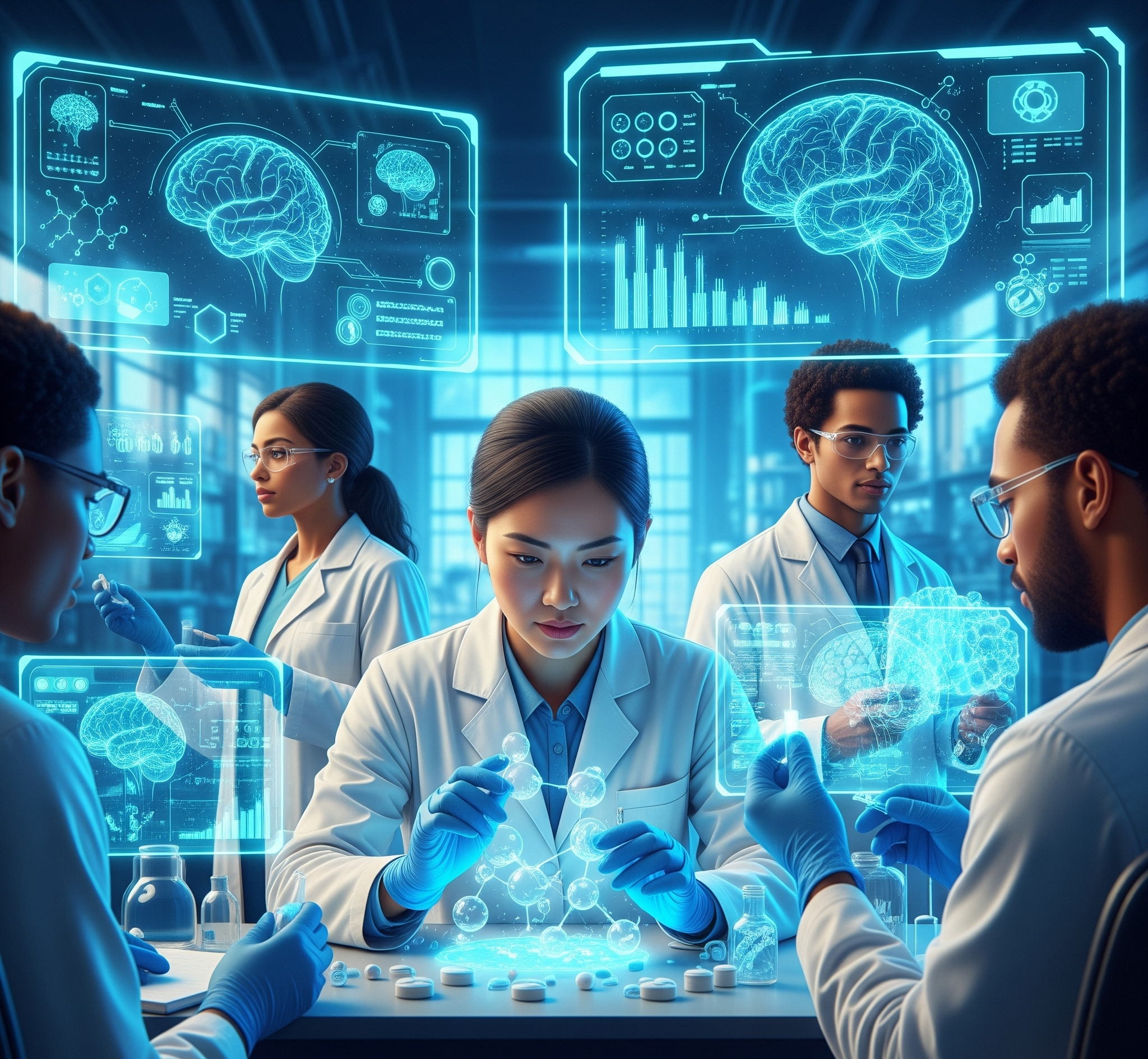
Reimagining Mental Health: Breakthroughs and the Future of Pharma Care
In today’s fast-paced, high-pressure world, mental health has emerged as a critical concern for societies worldwide. From anxiety and depression to more complex conditions like bipolar disorder and schizophrenia, mental health challenges affect millions of people across age groups and geographies. As these issues become more visible and widely discussed, there’s been a parallel evolution in how we understand, treat, and support mental well-being — much of which is being driven by the pharmaceutical industry.
This article explores the dynamic world of mental health pharmaceuticals — the groundbreaking innovations, persistent challenges, and exciting future possibilities that are shaping mental healthcare in the modern era.
The Growing Mental Health Crisis
Mental health disorders are no longer invisible. According to the World Health Organization, more than 1 in 8 people globally live with a mental disorder. The COVID-19 pandemic further exposed and amplified mental health vulnerabilities, as millions struggled with isolation, grief, job loss, and uncertainty.
As demand for effective mental health treatment has surged, the role of pharmaceuticals has become even more significant. People need faster, safer, and more personalized treatments that can help manage or even cure mental disorders. Pharmaceutical research is stepping up to this challenge with a new wave of therapies and technologies.
Breakthroughs in Mental Health Pharmaceuticals
1. Next-Gen Antidepressants and Anxiolytics
Traditional antidepressants like SSRIs and SNRIs have helped many patients over the years, but they are not effective for everyone. Moreover, they often take weeks to work and can have side effects.
Today, next-generation antidepressants are being developed that act more rapidly and target different pathways in the brain. One promising drug is esketamine, a fast-acting nasal spray derived from ketamine, which shows rapid relief in treatment-resistant depression.
Researchers are also exploring GABA modulators, glutamate pathways, and other neurological circuits that can regulate mood and cognition more effectively than earlier drugs.
2. Digital Pharma and Smart Pills
With the rise of digital health, pharmaceutical companies are now creating smart pills and digital therapeutics that combine medication with technology. For example, Abilify MyCite is a medication for schizophrenia that includes a sensor to track whether a patient has taken their dose. This not only improves medication adherence but also opens up a new frontier in personalized mental health care.
3. Psychedelic-Assisted Therapy
Once considered taboo, psychedelics like psilocybin (from magic mushrooms), MDMA, and LSD are being studied for their potential to treat conditions such as PTSD, major depression, and addiction. Recent clinical trials have shown that psychedelics, when used under medical supervision and combined with psychotherapy, can produce profound therapeutic effects.
This has sparked a psychedelic renaissance in mental health pharma, with startups and major pharma players investing heavily in research and drug development.
Challenges in the Mental Health Pharma Landscape
Despite the progress, several challenges continue to affect innovation and accessibility in the mental health pharmaceutical space:
1. Stigma and Misunderstanding
Many individuals still hesitate to seek help for mental health issues due to societal stigma. This impacts demand, policy decisions, and even investment in mental health R&D.
2. Lack of Personalized Treatment
Mental health disorders are complex and vary widely from person to person. Unfortunately, many current medications take a trial-and-error approach, where patients must go through multiple drugs before finding one that works for them.
Advances in biomarkers, genetics, and AI-driven drug discovery are expected to help address this by paving the way for more personalized treatment plans in the future.
3. Side Effects and Long-Term Safety
Many psychiatric medications have side effects like weight gain, drowsiness, or cognitive dulling, which may deter people from continuing treatment. Additionally, long-term effects of new drugs like psychedelics are still being studied.
4. Access and Affordability
In many parts of the world, mental health drugs are either not available or are unaffordable to the masses. Bridging the gap between innovation and accessibility remains a major hurdle that both governments and pharma companies must work to overcome.
A Glimpse Into the Future: What Lies Ahead?
Precision Psychiatry
Thanks to advances in genomics, neuroimaging, and machine learning, we are heading toward an era of precision psychiatry. In this model, doctors will be able to tailor medications and treatment plans to an individual’s unique brain chemistry, genetic profile, and lifestyle.
Natural and Alternative Pharmaceuticals
More research is going into plant-based medicines and adaptogens (like ashwagandha and Rhodiola) for managing stress, anxiety, and depression. These are becoming increasingly popular in both Western and Eastern wellness communities.
AI and Drug Discovery
Artificial intelligence is revolutionizing pharmaceutical R&D by predicting how different compounds will interact with brain chemistry. AI models can now simulate years of lab research in a matter of weeks — accelerating the development of novel psychiatric drugs.
Neuroplasticity and Regenerative Medicine
Future medications may not only manage symptoms but also repair brain circuits through enhanced neuroplasticity. This could be a game-changer for people with chronic mental health disorders.
Why This Matters: The Social and Economic Impact
Mental health issues cost the global economy over $1 trillion every year in lost productivity. Addressing this through better pharmaceuticals and treatment strategies is not just a healthcare concern — it’s an economic imperative.
Moreover, by investing in mental health pharma, we can reduce the burden on healthcare systems, improve quality of life, and foster happier, healthier societies.
How You Can Stay Informed and Involved
Understanding the future of mental health pharma is essential for anyone — whether you’re a professional in the health sector, a policymaker, an investor, or simply someone who cares about well-being.
Stay informed. Subscribe to trusted newsletters and industry updates.
Support innovation. Advocate for increased funding in mental health research and pharma.
Break the stigma. Talk about mental health openly and encourage others to seek help when needed.
Final Thoughts
The world of mental health pharmaceuticals is at an exciting crossroads — where science, technology, and compassion meet. From smart drugs and psychedelics to AI-driven solutions and digital therapies, we are witnessing the transformation of mental health care from symptom control to holistic healing.
As we move forward, it’s crucial to balance innovation with ethics, affordability with access, and treatment with prevention. The journey toward mental wellness for all is just beginning — and the pharmaceutical industry is poised to play a central role in this transformative era.
Want to dive deeper into industry insights and mental health innovations?
Subscribe to our newsletter on LinkedIn: https://lnkd.in/dcxwu-C7
Stay updated with expert perspectives, research breakthroughs, and the future of mental health care.