
SAS Foundation Assistant
Palam, New Delhi · Education · Health · Environment
Answers are AI-generated and may be inaccurate — for official confirmation, contact SAS Foundation directly.

+91 931 243 9444
+91 965 470 9935

contact@sas-foundation.in

RZ-54/5A, Rajnagar Part 2,
Palam Colony, New Delhi 110077
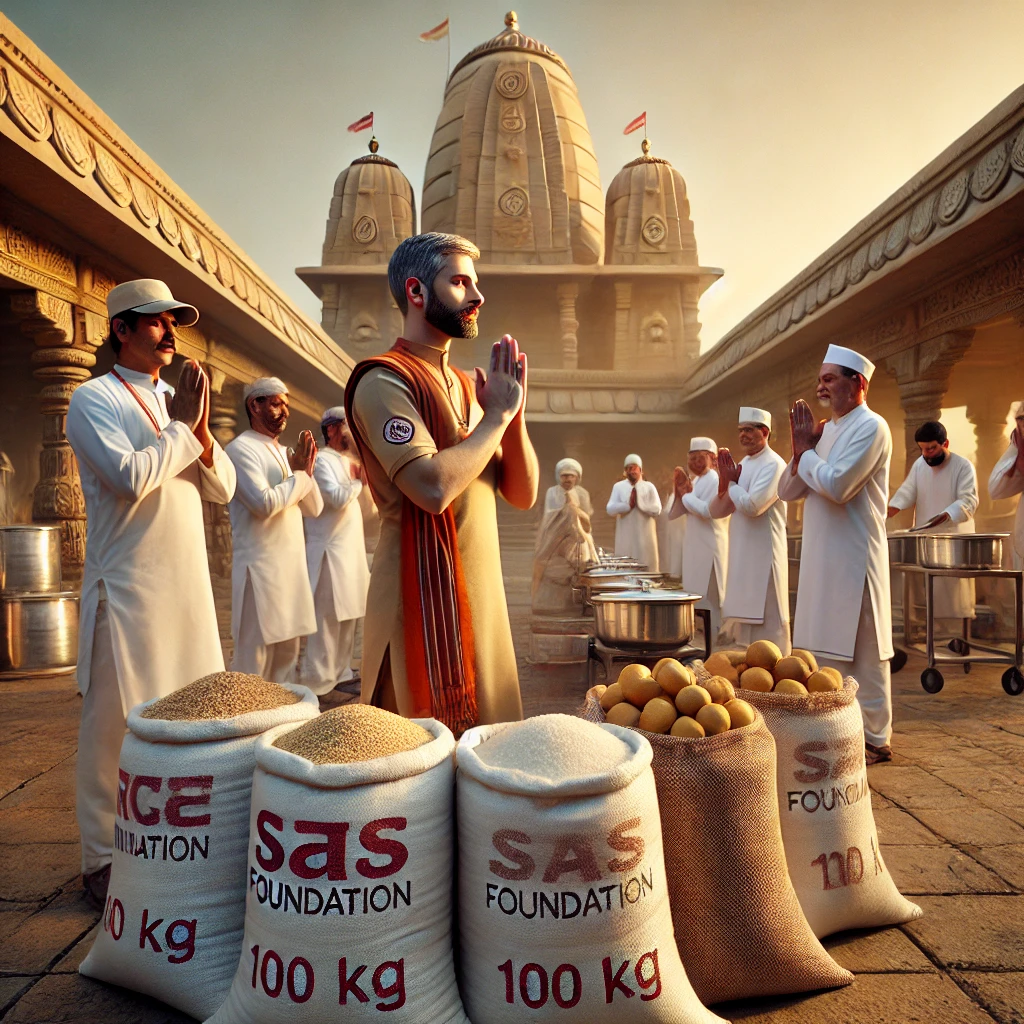
On 8 February 2026, on the sacred occasion of Phalguna Krishna Saptami, the SAS Foundation extended its heartfelt operational support to a grand community Bhandara organized at the historic Dada Dev Mandir in Palam, New Delhi. Rooted deeply in the ancient philosophy of Seva (selfless service) and aligned systematically with our overarching community development initiatives, this crucial contribution reflects our continued commitment to localized grassroots engagement, food security, and inclusive social impact.
Active participation in these gatherings forms a core pillar of SAS Foundation food security initiatives, proving that sustainable developmental success is built by addressing immediate civic needs while reinforcing long-term communal bonds.
To seamlessly support the large-scale preparation of fresh, wholesome meals for thousands of devotees and local residents, the foundation donated a substantial bulk supply of essential grocery items.
The logistics and inventory breakdown for this community drive included:
+-----------------------------------------------------------------------+
|                      BULK GROCERY DONATION METRICS                    |
+-----------------------------------------------------------------------+
|  • Potatoes: 100 Kgs                                                  |
|  • Iodized Salt: 10 Kgs                                               |
|  • Wheat Flour (Atta): 100 Kgs                                        |
|  • Premium Rice: 120 Kgs                                              |
+-----------------------------------------------------------------------+
These raw supplies formed the nutritional foundation of hearty meals that were lovingly prepared, quality-checked, and served to approximately 2,500 people over the course of the day. Such contributions are far more than mere logistical support; they represent strategic, community-level interventions at the grassroots level. Food support initiatives like Bhandaras create immediate economic relief while strengthening long-term neighborhood cohesion.
In India’s intricate social fabric, traditional Bhandaras operate as highly effective, decentralized social mechanisms. When viewed through a modern sociological lens, they serve multiple vital functions:
| Traditional Framework | Modern Social Development Outcome |
|---|---|
| Universal Kitchens | Act as powerful instruments of community bonding and cross-caste social inclusion. |
| Open Volunteerism | Provide dynamic platforms for youth volunteer engagement and localized civic participation. |
| Mass Feeding | Supplement local food distribution systems, ensuring nobody goes hungry. |
| Shared Seva | Build tangible expressions of collective civic responsibility and institutional compassion. |
The mass gathering at Dada Dev Mandir in Palam beautifully exemplified how traditional, faith-based practices can be aligned perfectly with modern sustainable development goals—particularly food security, social equity, and sustainable neighborhood engagement. When people gather to serve and be served without a trace of discrimination, it naturally reinforces values of absolute equality, human dignity, and civic unity.
Food security remains one of the most critical pillars of sustainable global development. According to international socioeconomic development frameworks, consistent access to adequate, nutritious food is foundational for driving secondary societal successes:
Improved Public Health Outcomes: Reducing instances of malnutrition and seasonal illnesses.
Economic Productivity: Ensuring working-class individuals have the physical stamina to sustain livelihoods.
Educational Continuity: Allowing children from vulnerable backgrounds to study without the distraction of hunger.
Social Stability: Minimizing resource scarcity friction within dense urban micro-markets.
By actively backing food distribution efforts at massive community gatherings, the foundation contributes directly toward strengthening local food access networks. While large-scale national policy frameworks are undeniably important, meaningful, lasting impact always begins with focused local action. Serving 2,500 individuals in a single afternoon showcases the sheer power of coordinated effort, empathetic local leadership, and responsible, transparent philanthropy.
Societal development is frequently measured exclusively in terms of physical infrastructure, corporate funding pools, and macro-level statistics. However, sustainable regional growth is equally dependent on the cultivation of social capital—defined as mutual trust, public solidarity, and a shared collective spirit.
Through intentional initiatives like this Palam Bhandara support drive, community relationships are systematically reinforced, vulnerable individuals receive dignified, stigma-free access to hot food, and civil society institutions collaborate effectively for the common good. This holistic ecosystem approach to development is what the SAS Foundation consistently promotes across all its urban and rural operations.
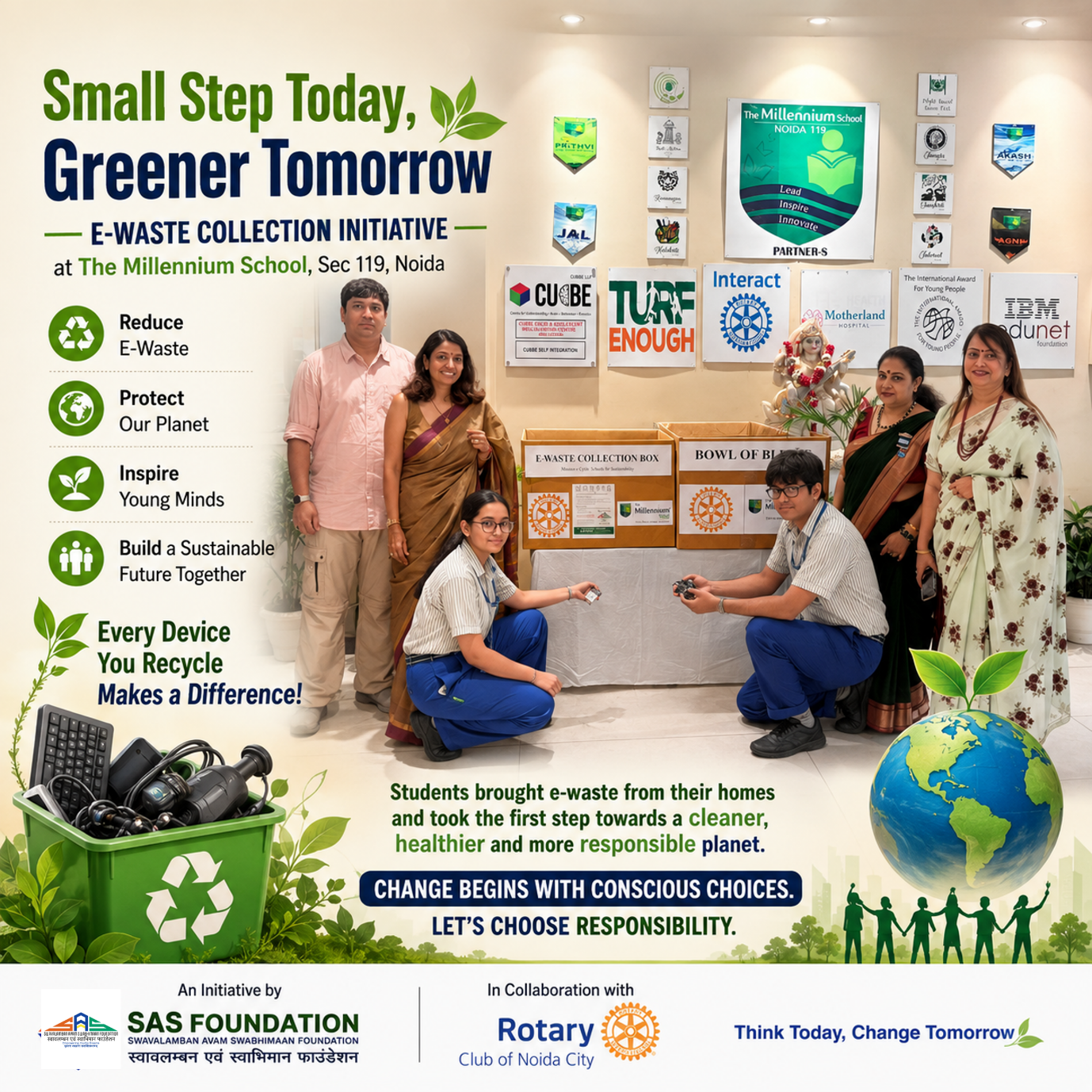
As a registered NGO dedicated to the interconnected pillars of Education, Health, Environment, and Community Development, the foundation operates on the core principle that small, consistent actions build permanent historical change. Whether through our e-waste collection boxes, educational distribution camps, preventive health drives, or community nourishment programs, our mission remains clear: to create measurable, transparent, and meaningful social impact.
The successful support extended on Phalguna Krishna Saptami stands as a living reminder that service strengthens the core of society, food intimately connects diverse communities, and collective effort creates highly scalable impact. True development begins exactly where structured compassion meets localized action.

Palam, New Delhi · Education · Health · Environment
Answers are AI-generated and may be inaccurate — for official confirmation, contact SAS Foundation directly.