Empowering Youth for a Greener Tomorrow: SAS Foundation’s Successful E-Waste Collection Drive in Faridabad
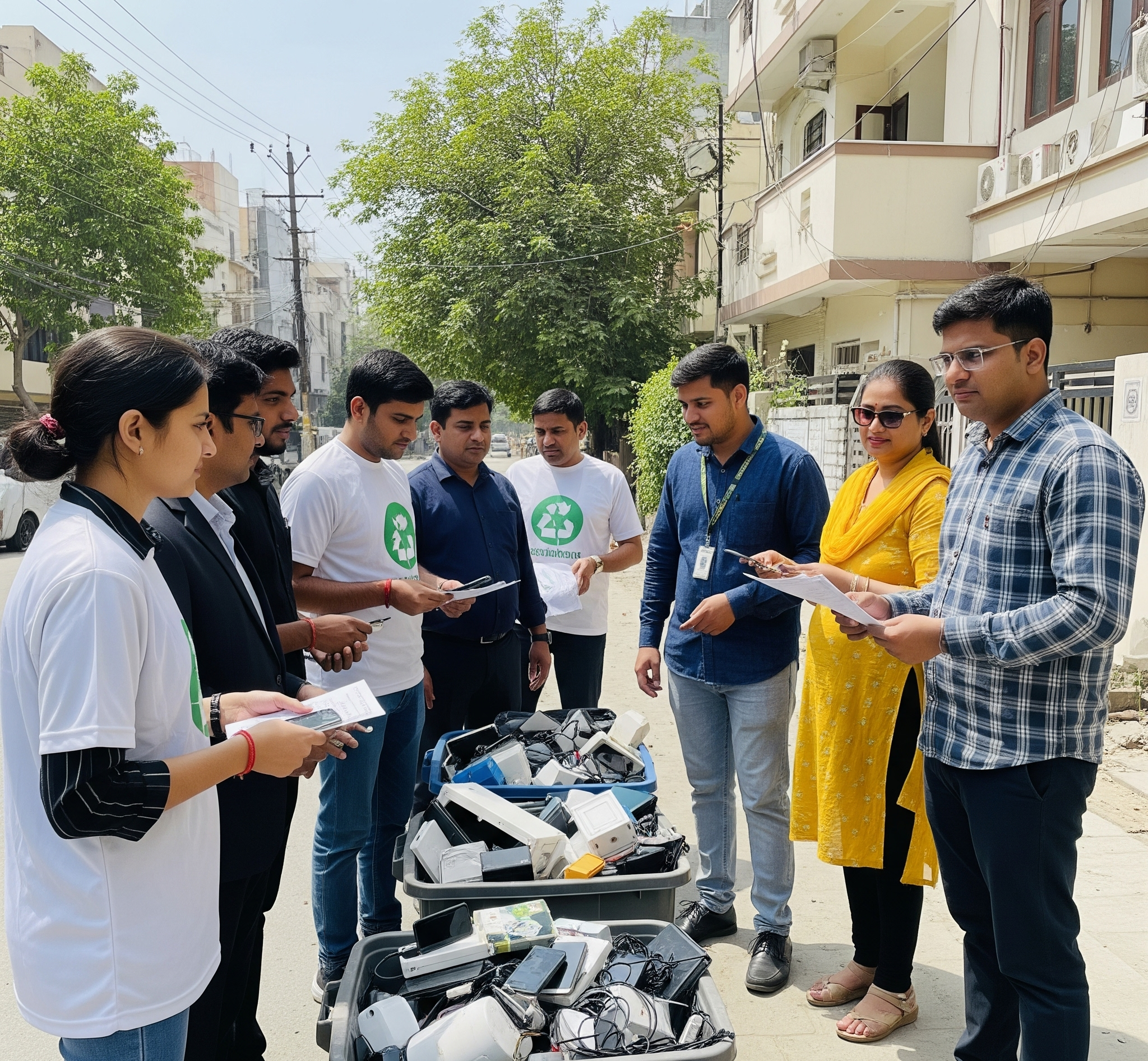
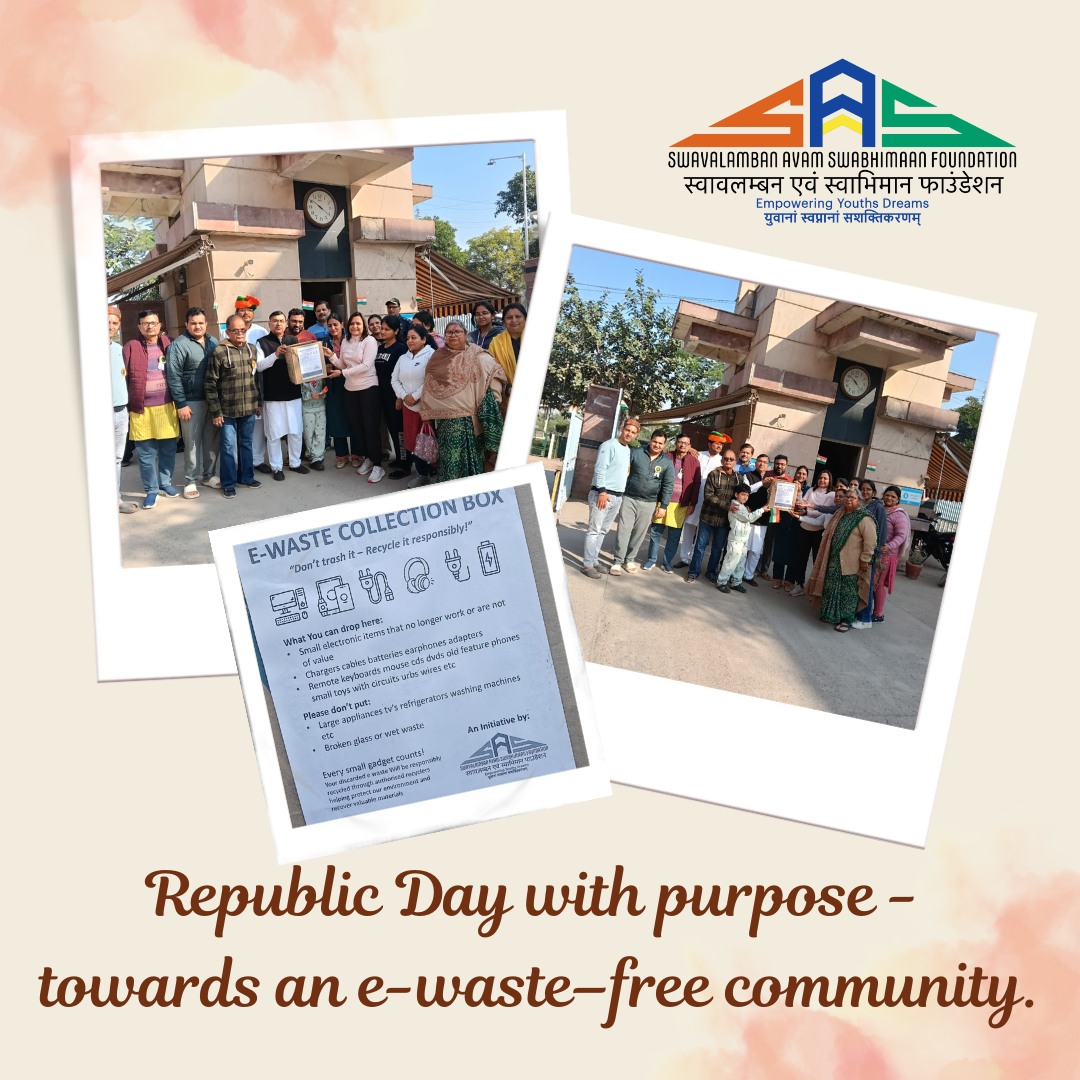
In a remarkable step towards environmental sustainability and youth empowerment, the Swavalamban Avam Swabhimaan Foundation (SAS Foundation) recently organized a highly impactful e-waste collection drive in collaboration with Attero. The event took place at BPTP Park, Floor II, Sector 76, Faridabad, and was a shining example of community-driven climate action. With the active involvement of passionate student volunteers and responsible citizens, this initiative not only helped collect a significant quantity of e-waste but also set an inspiring precedent for future green movements.
The Power of Collaboration
This drive was made possible through the joint efforts of SAS Foundation and India’s leading e-waste management company, Attero. Their shared vision of a cleaner, more sustainable environment brought together a diverse group of enthusiastic volunteers, students, educational institutions, corporate professionals, and local residents. The collaboration emphasized the importance of collective action in addressing the growing e-waste crisis.
Youth-Led Climate Action
At the heart of the initiative were the dynamic young students from several prestigious institutions. These Green Champions came from:
-
BGS International Public School, Dwarka
-
DPS Greater Faridabad
-
Lovely Professional University (LPU), Punjab
Each of these schools and colleges played a critical role in mobilizing student participation, spreading awareness about e-waste management, and fostering a sense of responsibility towards the planet. The students’ energy, enthusiasm, and leadership were evident throughout the event.
Their combined efforts led to the successful collection of:
In total, a whopping 800 kg of e-waste was collected — a testament to the power of informed and engaged youth working towards a common cause.
Spotlight on Volunteers: Driving Change at the Grassroots
A special feature of this drive was the active participation of dedicated volunteers who worked tirelessly to ensure the success of the campaign. Their contribution highlighted how individuals from diverse backgrounds can unite for a sustainable cause.
Notable contributors included:
-
Neil Bhowmick from NatWest Group
-
Shravan Dabi from Tata Consultancy Services (TCS)
-
Lavanya Mishra from DPS Greater Faridabad
-
Aadarsh Kumar from BGS International Public School, Dwarka
-
Aditya Kumar Singh from Lovely Professional University, Punjab
These volunteers coordinated logistics, managed the collection counters, educated visitors about the importance of e-waste recycling, and even helped sort and weigh the items. Their involvement illustrated the strong bridge being built between academic institutions, corporate sectors, and civil society through the Foundation’s initiatives.
Institutional and Community Support
Support from key community members and institutions played a crucial role in this event’s execution. Special thanks go to:
-
Arjun & Pankaj from Attero for operational support and e-waste processing.
-
Dr. Nitin Saini, representing SAS Foundation, who provided guidance and motivation to all participants.
-
Mr. Sumit Kamboj (RWA President) and Mr. Anoop Gautam (RWA Secretary), whose involvement from the Resident Welfare Association ensured smooth local coordination and encouraged maximum resident participation.
Such active collaboration between non-profits, RWAs, and private enterprises is essential for creating sustainable community-led models of environmental action.
Why E-Waste Drives Matter
Electronic waste, if not properly disposed of, poses a major environmental and health hazard. Toxic materials like lead, mercury, cadmium, and brominated flame retardants found in e-waste can contaminate soil and water, leading to long-term ecological damage. India is one of the largest producers of e-waste globally, yet awareness and infrastructure for safe disposal remain inadequate.
SAS Foundation’s initiative not only addressed the need for responsible e-waste recycling but also educated participants and onlookers about how their everyday decisions — such as storing old gadgets — contribute to environmental degradation. By promoting a habit of safe disposal and repair/reuse practices, the Foundation is seeding long-term behavior change, particularly among youth.
Transforming Students into Environmental Leaders
One of the most profound impacts of this initiative is its role in shaping young minds. Through hands-on participation, students gained:
-
Practical knowledge of waste management systems
-
Insights into sustainability challenges
-
Leadership and teamwork skills
-
A sense of civic duty and environmental responsibility
These experiences empower them to become lifelong advocates for sustainable living and to inspire their peers and families. The Green Champion model adopted by SAS Foundation is already showing results — students are taking initiatives in their own schools and neighborhoods, creating a ripple effect.
A Vision for a Cleaner Future
The Faridabad e-waste collection drive is part of the Foundation’s broader mission to support UN Sustainable Development Goals (SDGs), especially:
Through campaigns like these, the Foundation is laying the groundwork for a cleaner, greener India — one neighborhood, one student, and one e-waste item at a time.
What’s Next?
Buoyed by the success of this campaign, the SAS Foundation plans to replicate this model across other cities and residential complexes. Future drives will include:
-
Awareness workshops on e-waste segregation
-
School and college competitions on sustainability
-
Partnerships with more recyclers and local bodies
-
Digital outreach to promote at-home collection methods
With continued support from educational institutions, companies, RWAs, and most importantly, the youth, SAS Foundation is determined to lead a green revolution powered by awareness, action, and accountability.
Join the Green Movement
If this story inspires you, here’s how you can be a part of the change:
-
Organize a drive in your society, school, or college
-
Volunteer with SAS Foundation’s Green Champion program
-
Spread the word about the dangers of e-waste and safe disposal
-
Donate your old electronics for recycling
-
Follow SAS Foundation on social media for updates and educational content
Together, we can turn the tide against e-waste and move towards a circular economy that values people, the planet, and the future. Let’s keep the momentum going and inspire every citizen to act responsibly for the environment.